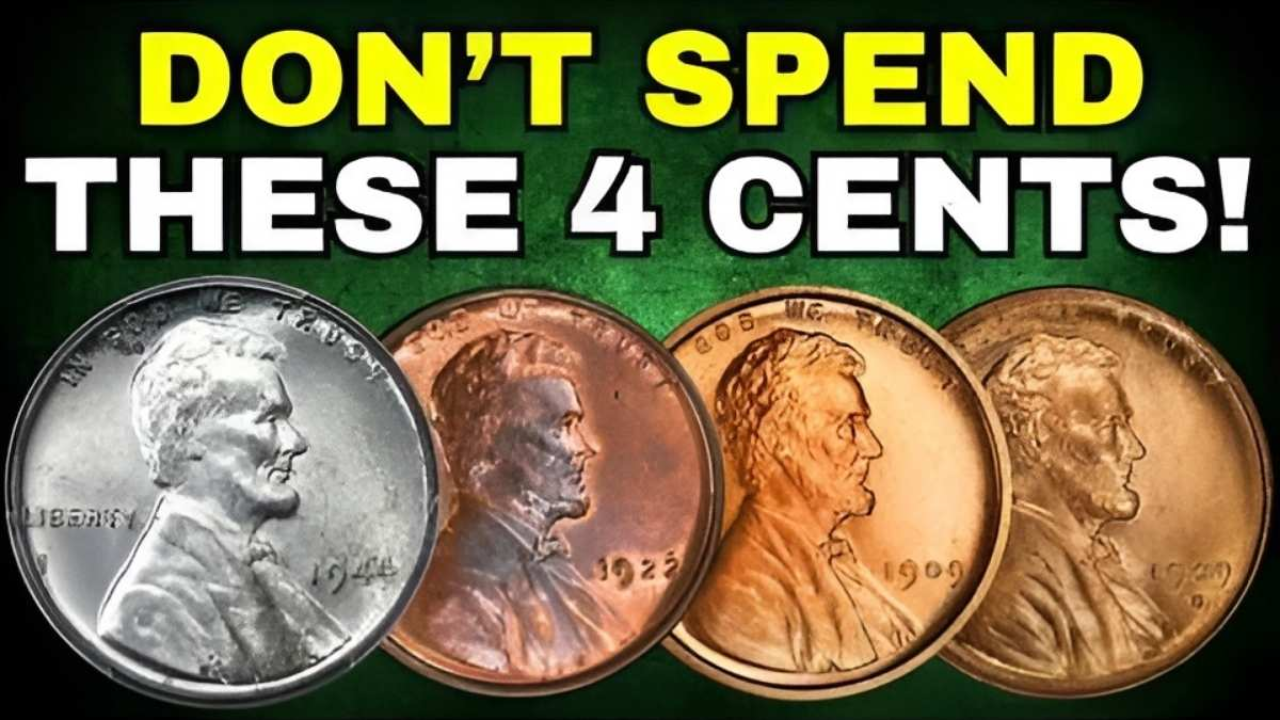
Here’s the real story behind the viral “$11 million Lincoln Wheat Penny,” and what’s actually true — including how these rare pennies might still be in circulation:
The Rumor: A Lincoln Penny Worth $11 Million
There are numerous online articles claiming that a Lincoln Wheat Penny is worth $11 million and still circulating — often suggesting you might have one in your pocket. But this figure is largely speculative and not based on a recorded auction sale. The $11 million number comes from combining extreme theoretical values of ultra-rare error coins and optimistic estimates rather than a confirmed transaction.
What Rare Wheat Pennies Actually Have Sold For
While the $11 million claim is hype, there are real Lincoln Wheat pennies with extremely high values:
-
1943 Bronze Wheat Penny (wrong metal error): Genuine examples have sold for well into the six figures, and one Denver-mint bronze penny has reached prices reported around $3 million in high grade.
-
Other extremely rare error types like certain steel or bronze variants from the early 1940s have fetched auction prices in the hundreds of thousands.
-
Key dates like 1909-S VDB, 1914-D, and some doubled dies command serious collector premiums — but not millions in most cases.
In short: there’s no verified public sale of a Wheat penny for $11 million — that number is more legend than documented fact.
Could a Rare Penny Still Be in Circulation?
Yes — rare Lincoln Wheat pennies can still turn up in circulation or old coin jars. Coins like the 1943 bronze error were originally spent just like ordinary cents before their rarity was known. Collectors have documented finds in rolls and change over the decades, and legendary discoveries keep the hobby alive.
That said, coins with huge confirmed values — especially extreme errors in high grade — are usually quickly pulled from circulation once identified and certified. So the chance of stumbling on a multimillion-dollar penny today is extremely slim even though it’s technically possible that one still exists somewhere out there.
Why These Pennies Are Valuable
What drives the expensive Wheat penny market isn’t mystical pricing — it’s rarity, historical context, and condition:
-
Minting Errors: Pennies struck on the wrong metal (e.g., copper in 1943) have very low survival numbers.
-
Low Mintage Keys: Early low-mintage issues like the 1909-S VDB are prized.
-
High Grade & Original Surfaces: Coins with original surfaces and high grading by PCGS/NGC bring the most money.
Quick Reality Check
-
A few Lincoln Wheat pennies have genuinely sold for hundreds of thousands to a few million dollars.
-
The $11 million claim isn’t backed by documented sales — treat it as theoretical or hype-based.
-
Ordinary wheat pennies are still out there, and occasionally valuable ones are found in pocket change, rolls, or old coin collections.
Bottom line: Don’t dismiss old pennies — but also don’t assume any one is worth $11 million just because of internet clickbait. Knowledge of dates, mint marks, and errors — plus expert grading — is what separates fascinating finds from myths.